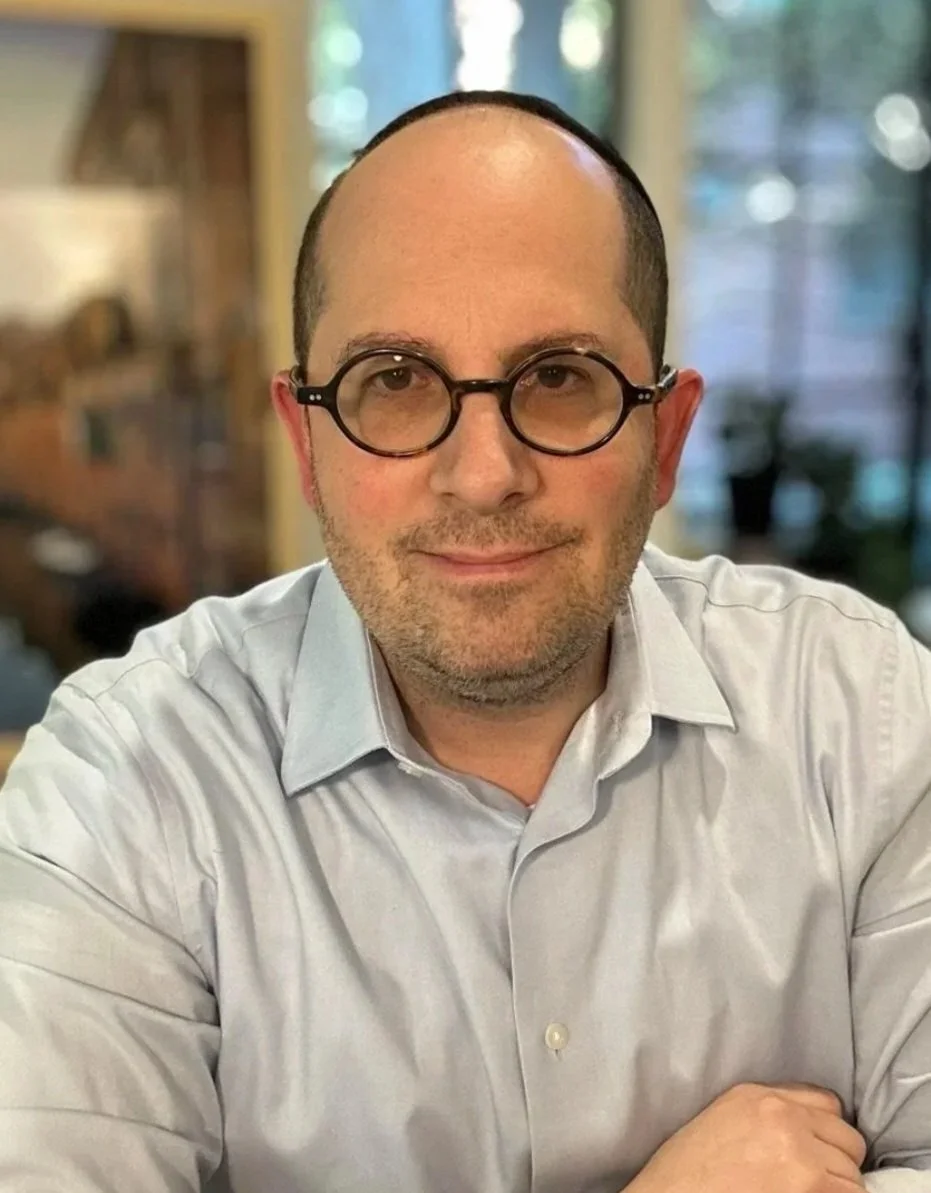
Dr. Koby Frances, Clinical Psychologist
ABOUT ME
I am a licensed clinical psychologist with more than 15 years of experience helping adults navigate the impact of painful and confusing childhood events, dating & relationships issues, unwanted or confusing sexual feelings and compulsive sexual behavior.
Much of my clinical work has been with adults from a wide array of Orthodox Jewish and other traditional Jewish and Christian backgrounds, while also working with individuals from many other religious and non-religious backgrounds.
Over the years, I’ve become increasingly interested in how our early relationships and experiences can shape the emotional patterns we carry into adulthood—how we relate to ourselves, how safe we feel with other people, the relationships we form, and the patterns we repeatedly find ourselves caught in.
This perspective has shaped my work with complex trauma, relationships, dating, intimacy, attraction and compulsive sexual behavior.
Beyond my clinical work, I provide consultation, training, writing and educational resources for therapists, rabbis, educators and individuals. I also created the Psychology of Attraction Project, which brings together my work on attraction, dating, relationships, intimacy and compulsive sexual behavior through articles, professional trainings and practical resources.
I have spoken professionally about attraction, fantasy, compulsivity and relational patterns in doctoral psychology programs, international professional conferences, podcasts, community clinics and group practices. My writing has appeared in the APA journal Psychoanalytic Psychology, as well as in Hakirah and Dialogue Magazine for Torah Issues and Ideas.
My Clinical Approach

Office of Koby Frances, PhD
I believe that therapy works best when clients genuinely feel comfortable to be themselves, say what’s on their mind and open up at whatever pace they are most comfortable. Though I am skilled in a variety of therapeutic orientations, my work always remains grounded in common-sense. I prioritize the whole person, not the label, diagnosis or psychological theory.
My approach is flexible, deeply empathic and eclectic. In working with clients, I typically use a mix of structured goals, reflective questions, practical advice, patient listening and deeper exploration of the emotional and relational pattern that may be keeping someone stuck. My work is informed by advance training and experience in psychodynamic, psychoanalytic therapy, IFS and Sensorimotor Psychotherapy.
Clients consider me to be personable, funny, thoughtful and real.
Training & Background:
PhD in Clinical Psychology from The City University of New York (CUNY)
15+ years clinical experience.
Extensive training, clinical experience and supervisory experience in Psychodynamic psychotherapy
Advanced Training in Sensorimotor Psychotherapy (Level II)
Advanced IFS training
Advanced Training in Compulsive Sexual Behavior & Addictions (The Inner Child Model)
Years of experience supervising and teaching seasoned clinicians and graduate students
Frequently consulted by rabbis, educators, therapists and community leaders regarding dating, relationships and questions related to attraction and sexuality
15 years of undergraduate and graduate psychology teaching